Cuba's report to the UN · March 2025 – February 2026
Cuba is not a threat, the blockade is

Since you opened this page, the blockade has cost Cuba
In one year, the blockade cost Cuba 8,083,300,000 USD.
Per-second average based on the 8,083,300,000 USD in damages over the report's period.
The report in three figures
A record of damages
8,083,300,000 USD in damages between March 1, 2025 and February 28, 2026: a record, 7% higher than the already elevated figure cited in the previous report.
Share this figure178,700,500,000 USD in cumulative damages at current prices over the years of the blockade, 4.7% higher than the figure reported earlier. When factoring in the sharp rise in the price of gold, the accumulated total stands at 3,896,505,000,000 USD.
Share this figure10.8% higher: what Cuba's GDP at current prices in 2025 would have been without the blockade, compared with the estimated value for that year.
Share this figure
The US blockade against Cuba in figures
What do a few minutes of blockade cost?
Every stretch of blockade time equals something Cuba goes without. Move the slider to walk through the report's examples.
8 minutes of blockade
129,500 USD
Amount to the annual funding needed for special education programs serving children and youth with hearing impairments.
8 minutes of blockade
129,500 USD
Amount to the annual funding needed for special education programs serving children and youth with hearing impairments.
Share this figure13 minutes of blockade
203,970 USD
Equal the amount of resources required nationwide for children with visual disabilities.
Share this figure16 minutes of blockade
250,000 USD
Equal the yearly expense of acquiring Nusinersen, the medication used to treat infantile spinal atrophy.
Share this figure46 minutes of blockade
714,400 USD
Represent the cost of importing parts from distant markets to repair or replace water pumping equipment.
Share this figure3 hours of blockade
2,900,000 USD
Amount to the funds needed to cover infertility treatment abroad for 109 couples.
Share this figure3 days of blockade
65,000,000 USD
Equal the investment required to modernize Cuba's banking system with new technology.
Share this figure4 days of blockade
78,510,000 USD
Equal the cost of importing all the fuel needed to meet the country's economic demand.
Share this figure
Chapter 1
The energy blockade
wielded as collective punishment upon the Cuban people
On January 29, 2026, the U.S. blockade was escalated to unprecedented levels: the U.S. President signed an Executive Order (EO 14380) authorizing additional tariffs on imports from any country that sold or supplied oil to Cuba, whether directly or indirectly. During the first half of 2026 only a single tanker from the Russian Federation arrived in Cuba, carrying humanitarian aid.
tons of fuel short compared to planned availability, by the close of May 2026.
Share this figure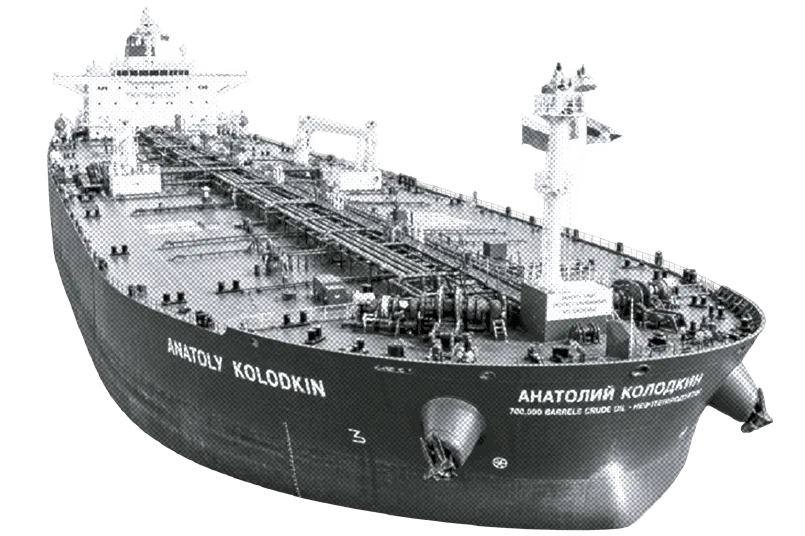
More than
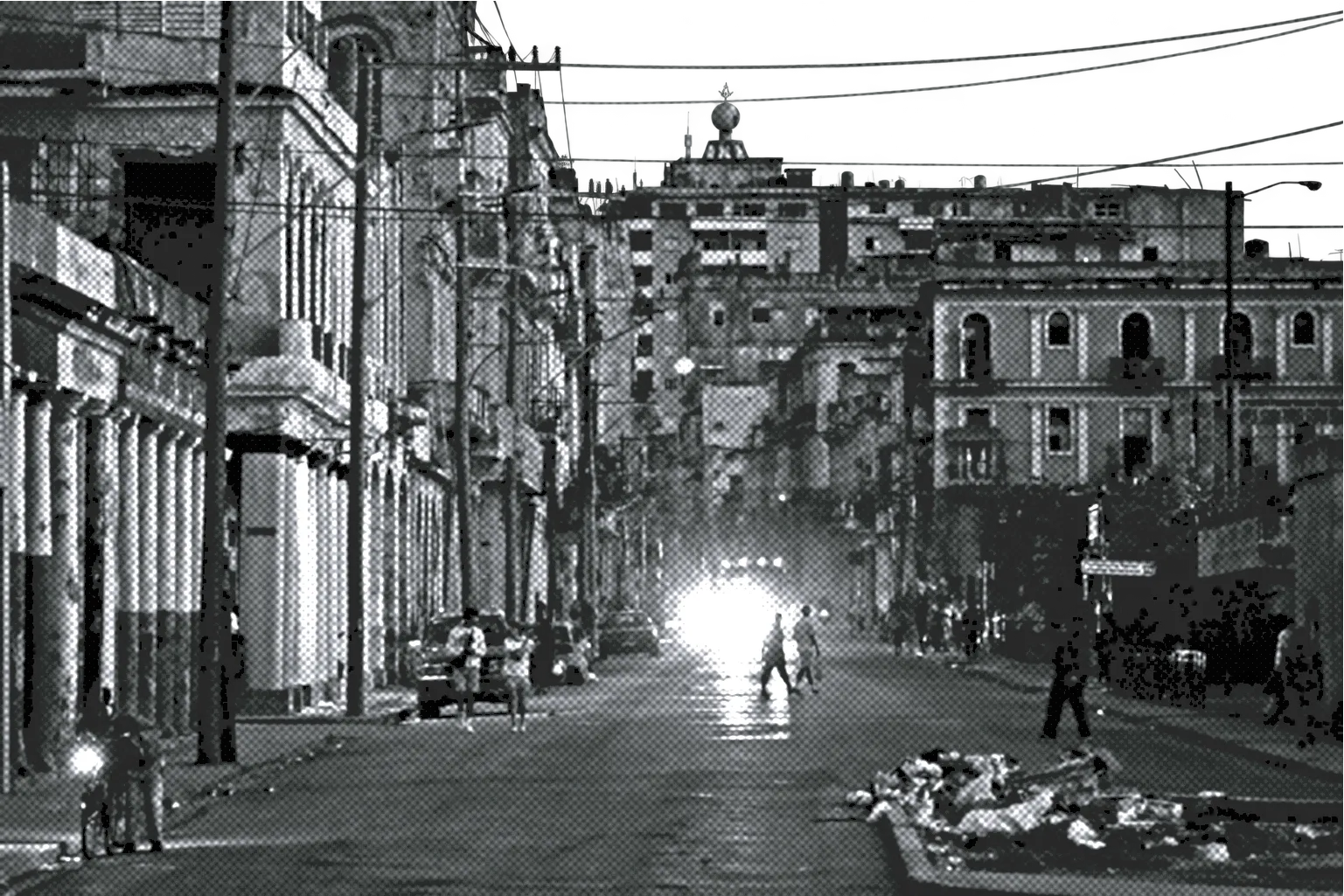
hours of blackouts on average for households across the island. In the residential sector, fulfillment of the electricity plan reached 83%.
Share this figureRoughly
MW of available capacity remained idle for lack of fuel, according to an assessment at the close of May 2026.
of the 15 thermal units remain outside the capital maintenance cycle: restrictions prevented the execution of partial, extended, and major maintenance, according to Unión Eléctrica.
Over
of the equipment, incubators and scales included, is compromised, all dependent on electricity that is never secure. Like 148 other hospitals across the country, this center endures an energy “asphyxiation” that reaches even the delivery rooms.
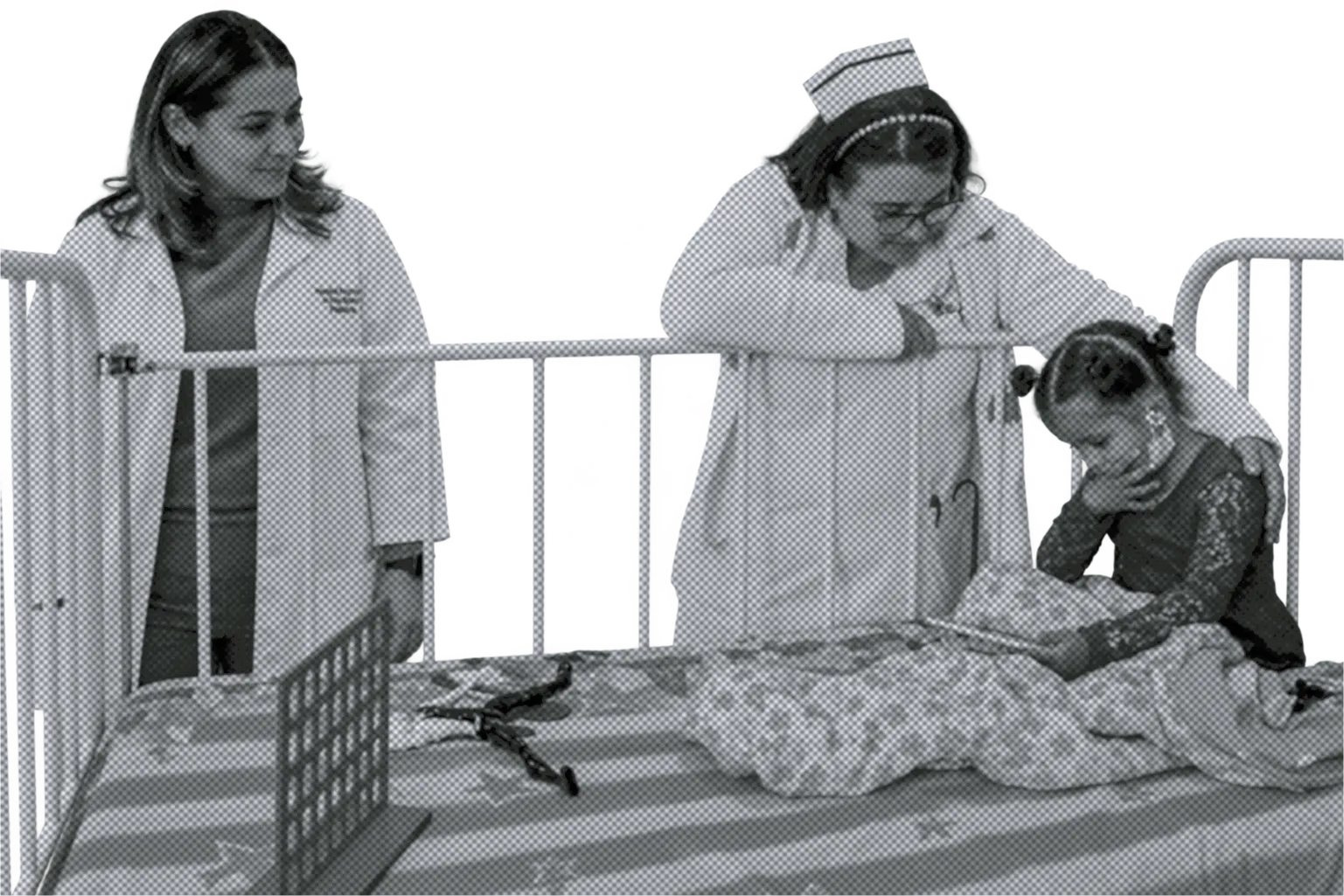
“When an electrical emergency occurs, a blackout, the entire unit shuts down. We are plunged into complete darkness. (…) The surgery cannot be stopped. We have had to keep operating under the glow of cell phone flashlights.”
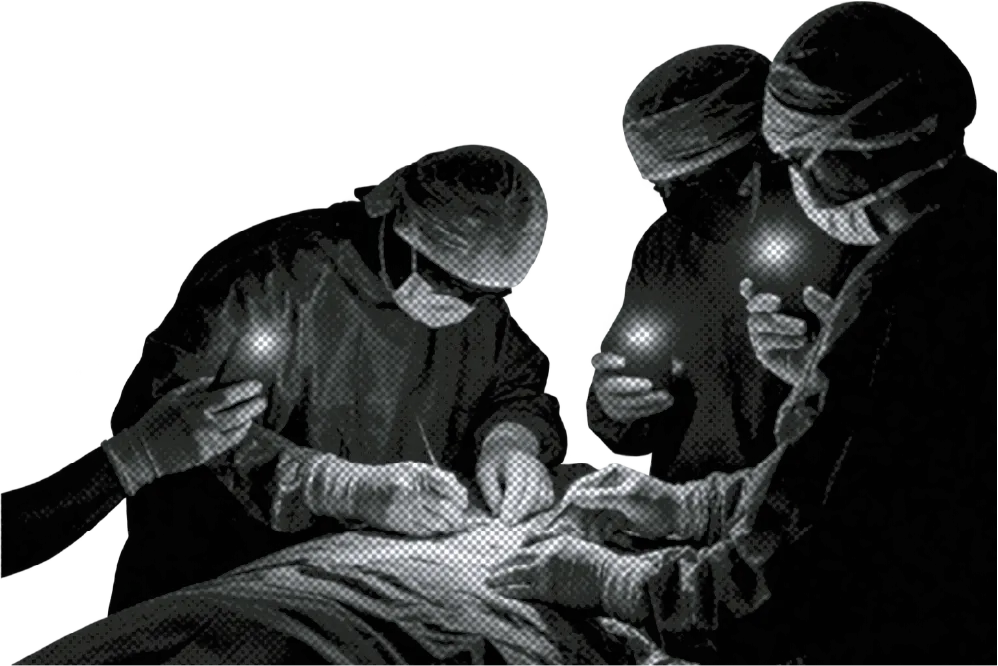
patients on Cuba's surgical waiting list, including 12,000 children. With the ongoing energy blockade, the numbers keep climbing.
Share this figurepatients who rely on hemodialysis, a treatment that demands a steady energy supply now nearly impossible to secure.
85% to 65%
cancer survival among children and youth. Daily cancer deaths in Cuba have surged past 70.
Share this figure“Diego is in radiation, but there's no fuel. How will those machines run? If the hospital shuts down, how can I keep Diego's treatment going?”
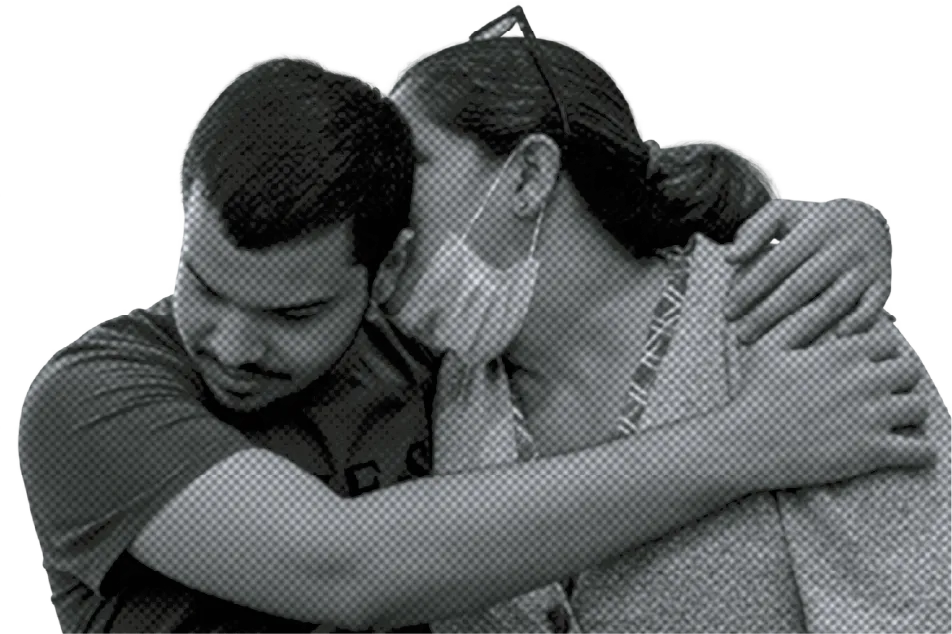
“The situation in Cuba is deeply concerning as the country struggles to maintain the provision of health services in a time of immense turbulence.”
Over
children could not get their vaccines on schedule because fuel shortages disrupted refrigerated transport, even though the doses sit ready in national warehouses.
pregnant women at risk due to instability in access to prenatal services, warned the Resident Coordinator of the United Nations System in Cuba.
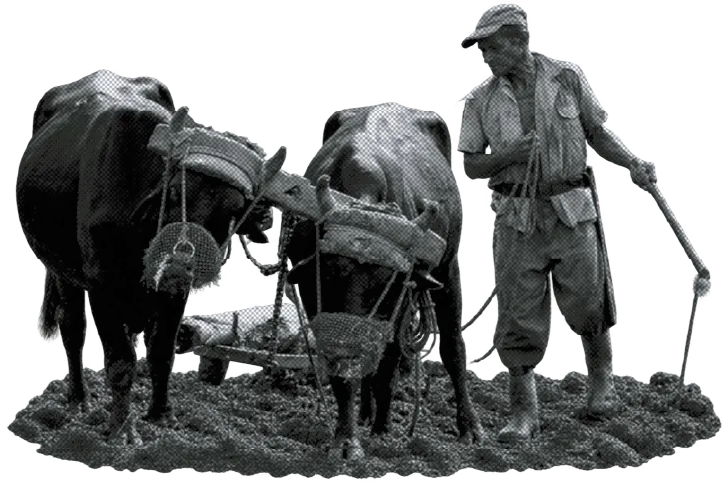
Only
hours of irrigation per day, out of the 16 hours normally required, during the cold season agricultural campaign.
Around
tons of pre-positioned food sit in national warehouses, held by the UN country team in Cuba; their distribution to vulnerable communities has slowed to a crawl due to the fuel deficit.
Nearly
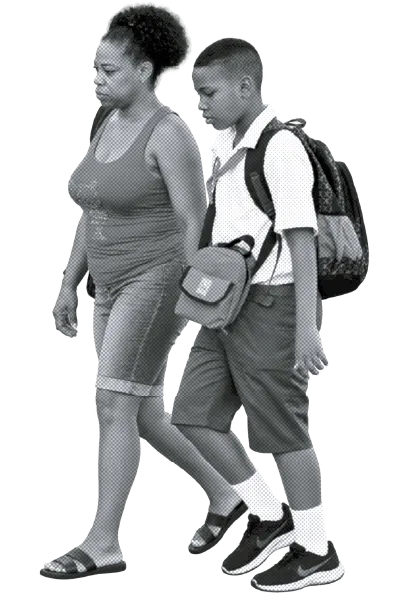
of total enrollment are students and teachers who travel across the country, and the fuel shortage has limited their transportation. In higher education, the first semester of classes in 2026 had to be shifted to a fully remote modality.
Just days after the January 29, 2026 Executive Order was announced, Cuba's civil aviation authority had to declare the impossibility of supplying aviation fuel (Jet A-1) at Cuban airports. This has had a disastrous effect on tourism in Cuba, reducing the avenues for travelers to enter the country.
This energy blockade amounts to an act of genocide, a form of collective punishment against the Cuban people, and a grave violation of International Law. The Fourth Geneva Convention of 1949 prohibits collective punishment, a reality to which the Cuban people are unmistakably being subjected.
Chapter 2
Expansion of secondary sanctions
as tools to reinforce the enforcement of the blockade and its extraterritorial nature
As if this were not sufficient punishment, on May 1, 2026 the U.S. government issued another Executive Order (EO 14404). It authorizes the freezing of assets and the restriction of operations of any foreign person or entity operating in sectors considered strategic to the Cuban economy, and imposes stringent secondary sanctions on banks, financial institutions, and foreign enterprises that facilitate transactions involving “sanctioned” individuals or entities.
Timeline of the siege
Executive Order EO 14380: tariffs on any country that supplies oil to Cuba.
Executive Order EO 14404: secondary sanctions on third-country banks and companies.
Plus Ultra halts the Madrid–Santiago de Cuba–Havana route, citing the Executive Order.
Several leading international hotel chains abandon their management agreements for dozens of hotels in Cuba.
The United States sanctions the Cuban state company Unión Cuba Petróleo (CUPET).
Over
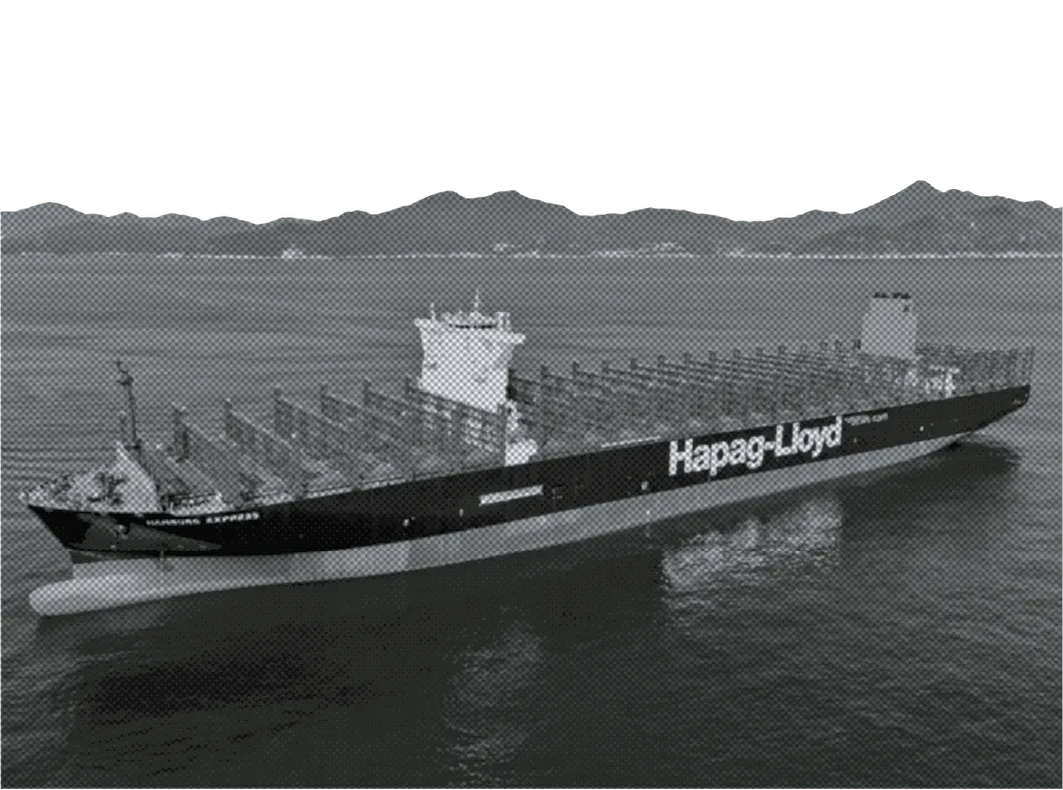
metric tons of humanitarian food aid already contracted have been disrupted by interruptions in maritime services.
Share this figureacross 7 critical shipments affected: emergency medical kits, newborn supplies, nutritional support for expectant and nursing mothers, water treatment equipment, and menstrual hygiene kits.
Share this figurePayments through Visa and Mastercard became unworkable on the Island as Cuba's correspondent banks declined to continue the relationship due to the risks they faced vis-à-vis the United States. In reality, this means Cuba cannot purchase shipments of food, inputs for pharmaceutical production or machinery, regardless of whether funds are available.
No people deserve nor should be subjected to such punishment solely on account of asserting its right to self determination.
Chapter 3
Consequences of the Helms Burton Act
and Cuba's inclusion on the unilateral U.S. list of State Sponsors of Terrorism
Under Title III of the Helms Burton Act, U.S. courts may hear lawsuits against any individual or company involved with properties nationalized by the Cuban government. Added to this is Cuba's arbitrary inclusion on the list of State Sponsors of Terrorism, a designation for which the U.S. government has not produced a single evidentiary basis.
lawsuits had been filed under Title III by the end of March 2026, of which 24 remain ongoing.
international banking institutions either suspended or declined to conduct operations with Cuba between March 2025 and February 2026, cancelling accounts and rejecting transfers intended for food, medicaments, and fuel.
Share this figurefine on Interactive Brokers, LLC, announced by OFAC on July 15, 2025, for violations of its sanctions regime on Cuba. On July 2, 2025, OFAC had already levied a fine of 608,825 USD on Key Holding, LLC, over the logistics of cargo shipments from Colombia to Cuba.
4 to 9.9
per thousand live births: infant mortality in Cuba rose from 4 in 2018 to 9.9 in 2025, a 148% increase.
Share this figure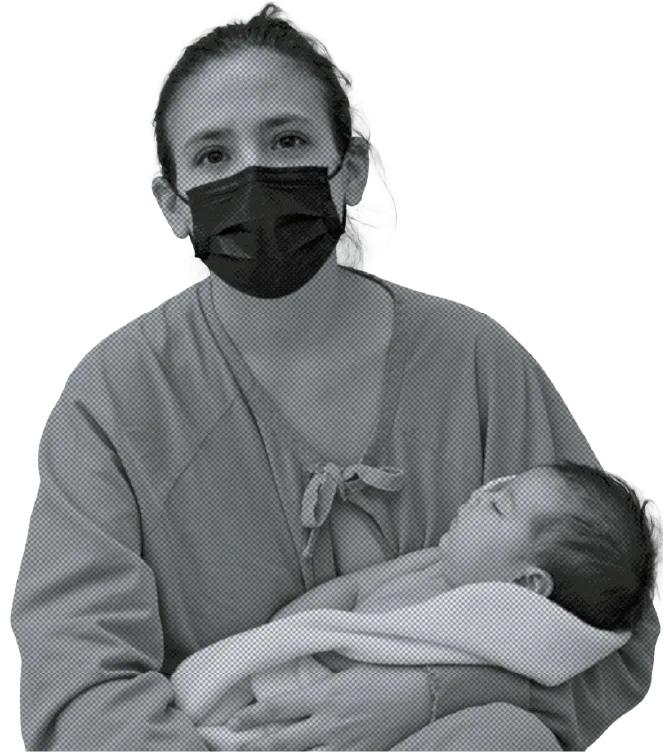
of the 395 pharmaceuticals produced within the national basic health framework are currently unavailable, due to difficulties in accessing raw materials and pharmaceutical inputs.
Share this figure
Cuba is unable to procure digestive endoscopy towers manufactured by the Japanese company Olympus, as they are priced ten times higher for Cuba than for other Latin American countries. The HeartMate 3 and the PediMag and CentriMag cardiac pumps from Abbott remain out of reach for Cuban children, and the shortage of phytohemagglutinin, a reagent produced by the U.S. company Sigma Aldrich, compromised the study of 140 patients.
Cancer drugs made by U.S. pharmaceutical companies that Cuba cannot obtain
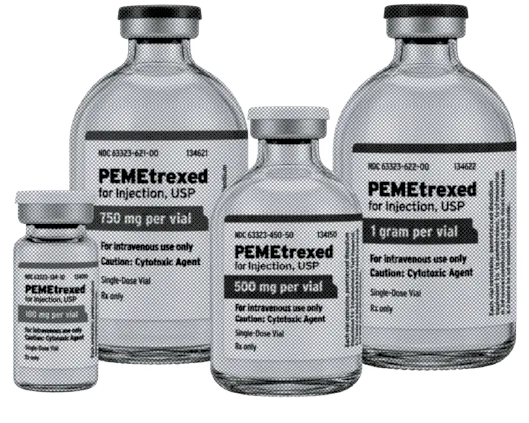
Pemetrexed
Lilly
Lung adenocarcinoma, mesothelioma.

Palbociclib
Pfizer
Hormone responsive metastatic breast carcinoma.

Brentuximab vedotin
Seattle Genetics
Refractory Hodgkin's lymphoma subsequent to transplantation.
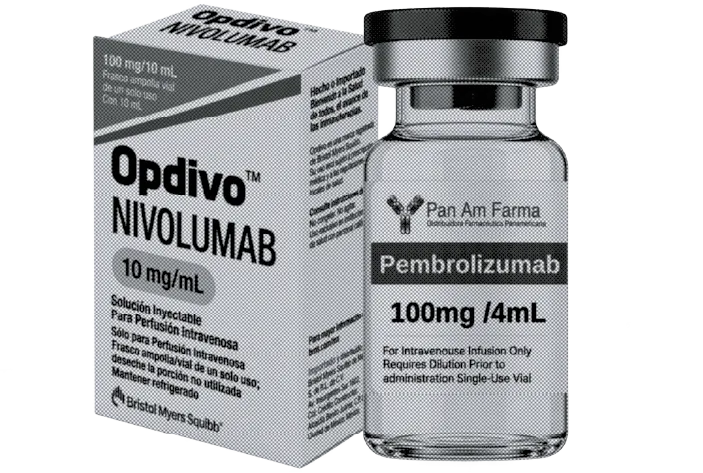
Pembrolizumab and nivolumab
MSD and Bristol Myers Squibb
Advanced immunotherapy for metastatic melanoma, pulmonary carcinoma, bladder carcinoma, and Hodgkin's lymphoma.
Barely more than
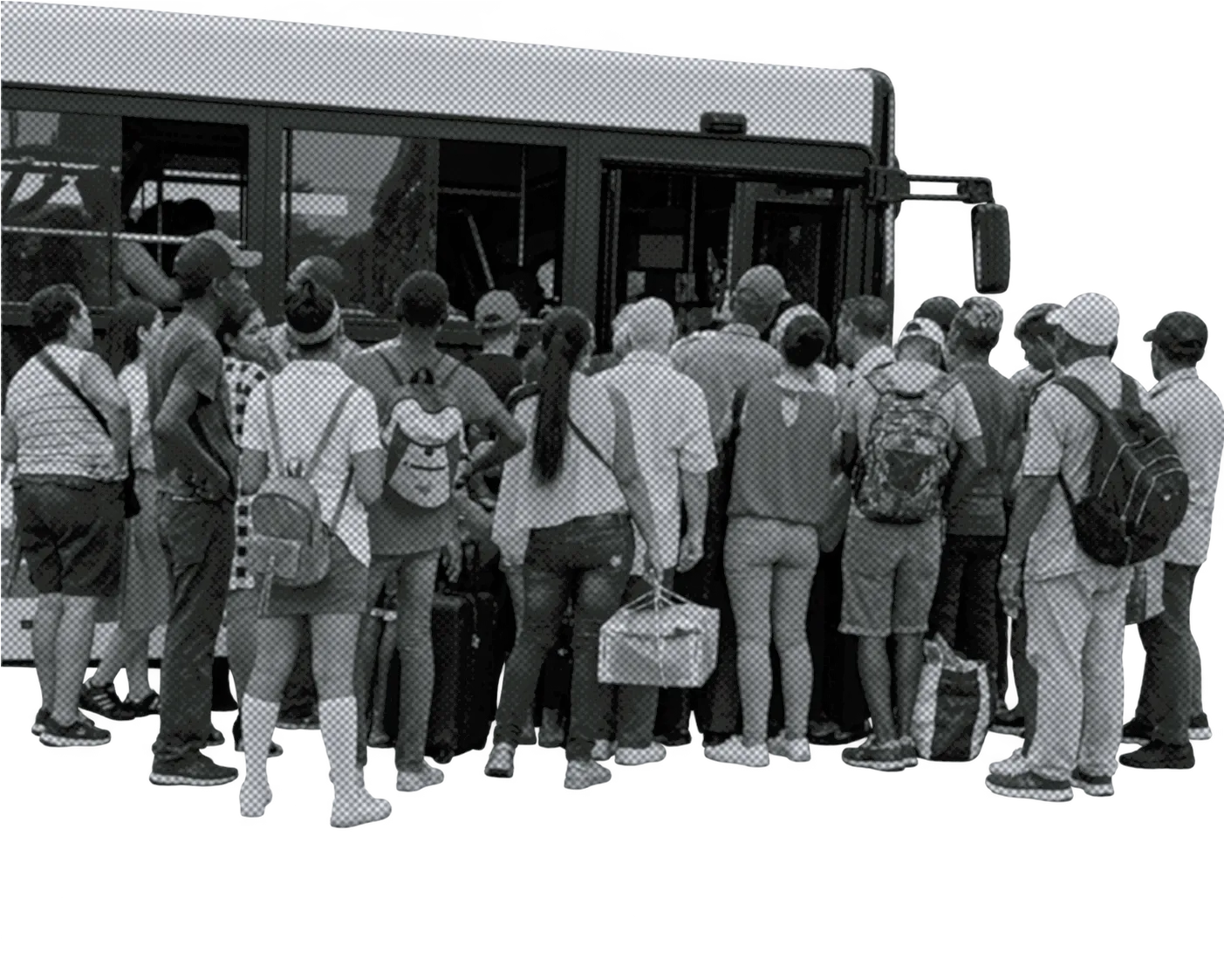
buses run Havana's passenger transport system, despite a minimum requirement of 3,000 to ensure adequate service.
Chapter 4
The U.S. government has escalated its hostile rhetoric against Cuba
as a deliberate instrument of destabilization
In addition to the measures reinforcing the blockade, top officials of the current U.S. administration have made recurrent use of a highly threatening and confrontational narrative against Cuba.
“(…) Every possible means should be taken promptly to weaken the economic life of Cuba (…) a line of action which, while as adroit and inconspicuous as possible, makes the greatest inroads in denying money and supplies to Cuba, to decrease monetary and real wages, to bring about hunger, desperation and overthrow of government.”
“I don't think much more pressure can be exerted, except to go in and smash the place.”
“He would be honored to take Cuba.”
“Would like to see a regime change in Cuba.”
“Is prepared for any eventuality.”
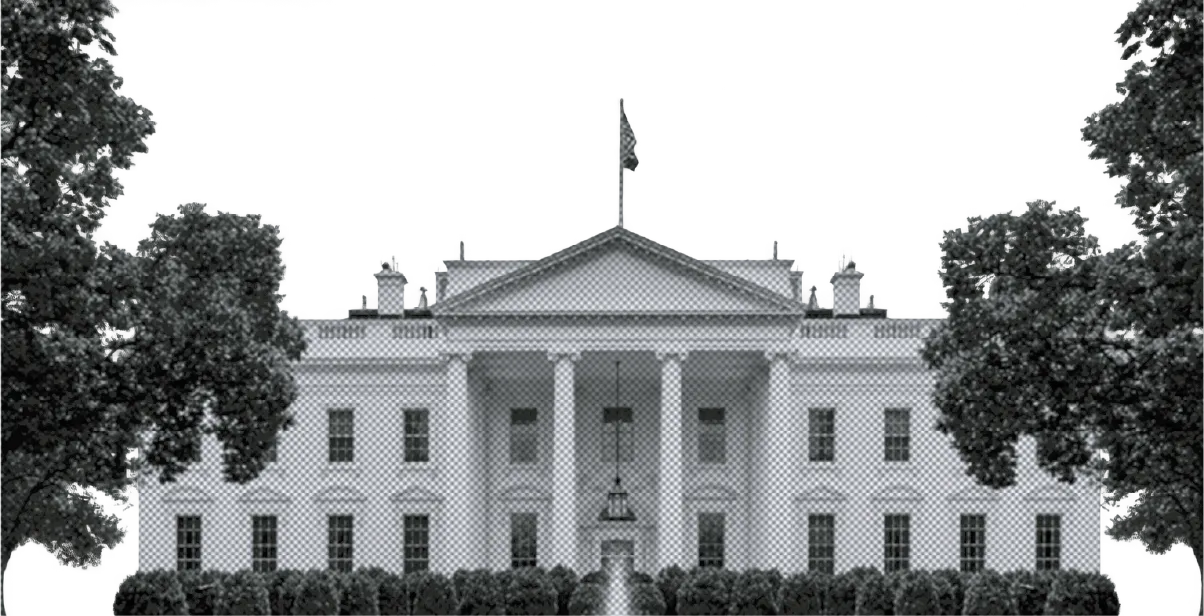
All this is part of a deliberately structured, surgically calibrated, and broadly encompassing siege, which, arguably more explicitly than in previous decades, may foreshadow direct military aggression against Cuban territory.
Chapter 5
Expressions of rejection of the blockade and solidarity with Cuba
recorded worldwide
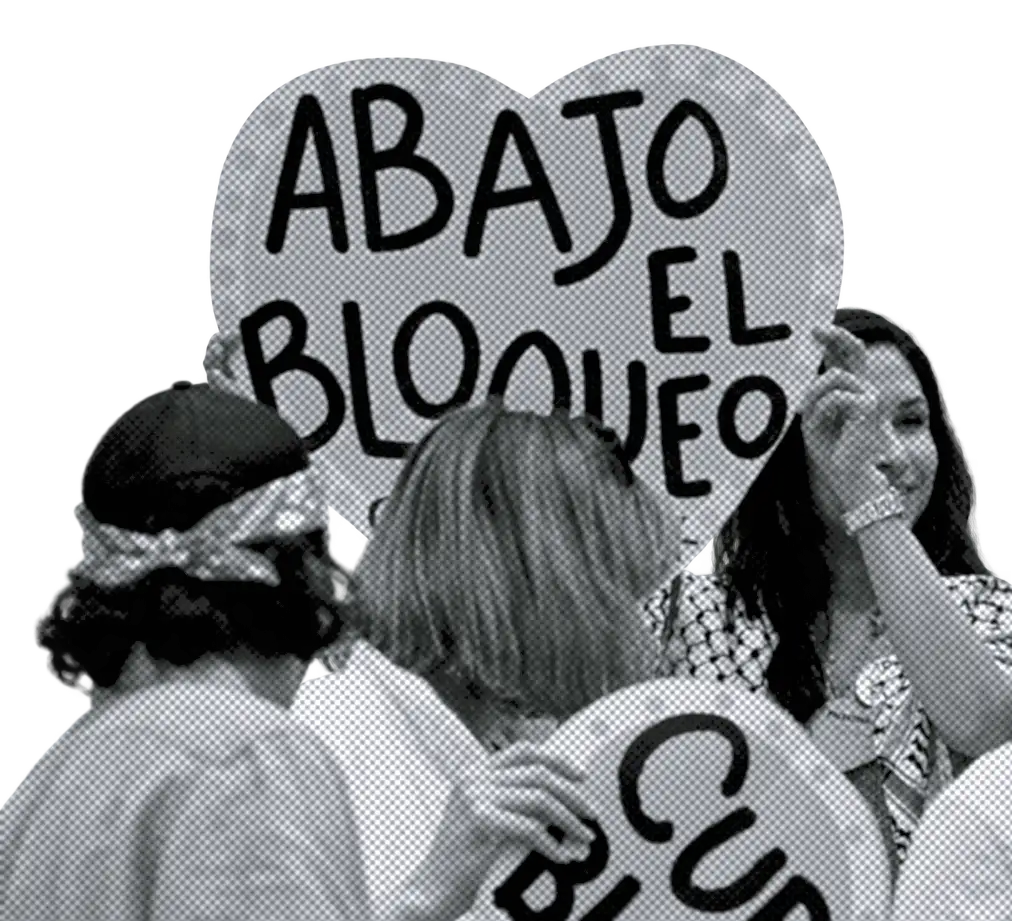
Despite these adverse circumstances, Cuba has not remained isolated. From governments, parliaments and the African Union to unions, solidarity organizations and citizens within the United States itself, rejection of the blockade was expressed worldwide.
165
- 165 in favour
- 7 against
- 12 abstentions
- 9 did not vote
“Children are dying because doctors lack access to essential supplies and medicines.”
The UN Human Rights Council's Special Rapporteur on the negative impact of unilateral coercive measures, Alena Douhan, confirmed during her official visit to Cuba in November 2025 the flagrant, large scale, and systematic violation of human rights in Cuba. On May 11, 2026, the UN Secretary General rejected any military approach and expressed his wish that the Cuban people would not continue to suffer dramatically.
In February 2026, the African Union Assembly approved, for the seventeenth consecutive time, a resolution condemning the U.S. blockade against Cuba, and urged the removal of Cuba from the unilateral list of countries allegedly sponsoring terrorism.
leaders raised their voices to demand an end to the blockade during the high level debate of the 80th UNGA, in September 2025.
More than
signatures gathered by a letter to the U.S. president, initially signed by 515 intellectuals and artists at the initiative of the Mexican Chapter of the Network of Intellectuals and Artists in Defense of Humanity.
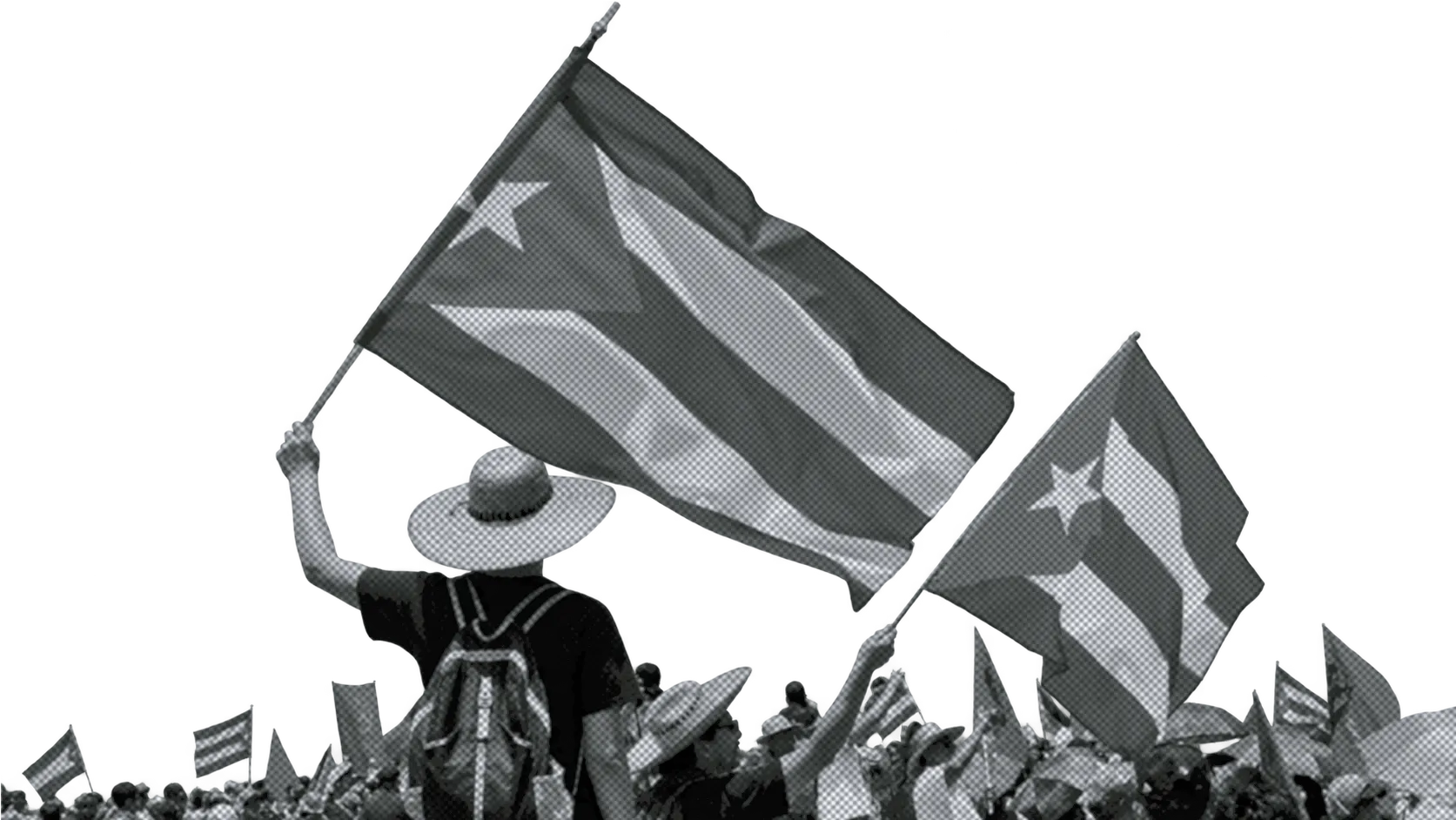
The Cuban people will prevail, for its resilience, creativity, and determination cannot be blocked in any way.
Annex
Damage by sector
Quantitative assessment of sectoral impacts of the blockade in Cuba, March 1, 2025 – February 28, 2026.
- Tourism2,093.9 million USD
- Food production848.1 million USD
- Electro-energy sector802.4 million USD
- Culture435.5 million USD
- Health367.3 million USD
- Transport202.0 million USD
- Telecommunications135.4 million USD
- Biotechnology (BioCubaFarma)134.4 million USD
- Education98.0 million USDMinistry of Education: 73,799,500 USD · Ministry of Higher Education: 24,207,000 USD
- Sports36.3 million USD
These are the sectors itemized in the report's annex; they are not a breakdown that adds up to the 8,083,300,000 USD total.